The history of the tortilla
The history of the Mexican tortilla: corn, nixtamalization, masa, comal, flour tortillas and contemporary transformations.
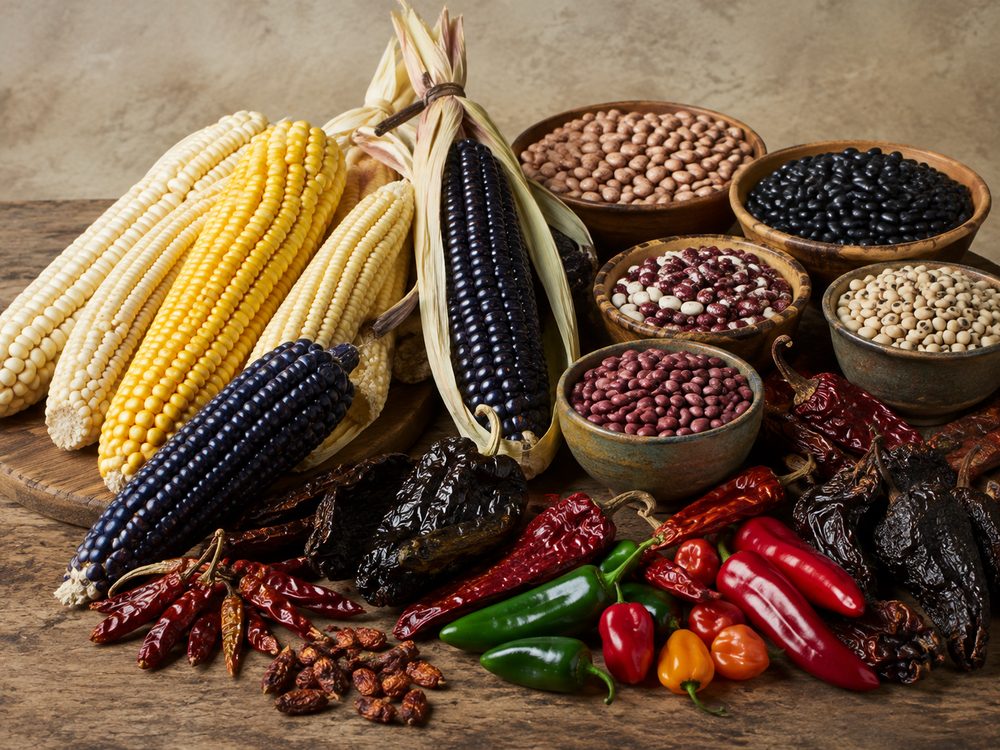
The tortilla is one of the great connecting threads of Mexico’s food history. It emerged from Mesoamerican corn culture and is linked to nixtamalization and cooking on the comal, and over time came to coexist with northern flour tortilla traditions.
A history linked to corn
The corn tortilla emerged within Mesoamerican cultures and cannot be separated from the history of corn. For centuries it has been a daily food and a base for other foods.
Nixtamalization and masa
Transforming corn through nixtamalization produces masa with properties suited to shaping tortillas and other preparations.
Comal, hand shaping and tortilladora
Tortillas can be shaped by hand, with a press or using mechanical systems. The shaping method may vary, while cooking on a hot surface remains one of the iconic steps.
Corn and wheat: two coexisting histories
After wheat arrived, important flour tortilla traditions developed in northern Mexico. Corn nonetheless remains the country’s fundamental historical and cultural core.
The tortilla today
Today, handmade tortillas, tortillerías, industrial production, fresh masa and nixtamalized flour coexist. Quality, aroma and texture depend on the raw material and process.
Related articles
Guido Balloni · La Plaza - El Rey Mexican Restaurant
© 2026 Guido Balloni – La Plaza - El Rey Ristorante Messicano. All rights reserved. Reproduction, publication, distribution or reuse, even in part, is prohibited without prior authorization. Brief quotations are permitted within legal limits provided the source and author are credited.